


The Journey
Understanding the Psychedelic Healing Process
Whether you are preparing for a first experience or returning to this work after many turns around the spiral, what follows is a clear, compassionate guide to the four phases of what is often called psychedelic journey work: Intake, Preparation, Administration, and Integration.
This work is grounded in best practices drawn from modern psychedelic research, harm reduction, and trauma-informed care. It is also deeply informed by ceremonial frameworks and indigenous teachings that I’ve personally experienced and studied through my ongoing psychedelic facilitation training, mentorship, and many years of personal journey work.
This is not clinical therapy. It is not shamanism.
This is heart-centered, evidence-informed, and relational work—designed to support safety, integrity, and sacred unfolding.
While the specific medicine used may vary, the arc of the process remains rooted in deep presence and intentional care.
This page offers a transparent overview of the process I steward, what to expect in each phase, and the values that guide this sacred work.
Screening & Intake
Establishing Safety, Alignment, and Dynamic Informed Consent
The screening and intake process forms the foundation of the psychedelic healing journey. Its purpose is to ensure that each individual entering this work is met with thoughtful consideration, clarity, and care.
This phase begins with an initial call—an opportunity to explore what is arising, why now, and whether this process feels aligned. It offers space to share intentions, personal history, and current support systems, as well as to ask questions and clarify expectations. This conversation helps shape the container and determine next steps.
Following the call, individuals are invited to complete a comprehensive intake form. This form gathers emotional, psychological, physical, and spiritual background—including mental health history, medication use, and past experiences with expanded states. It supports the co-creation of a safe and appropriate framework for moving forward.
Throughout the process, there is an emphasis on dynamic informed consent—meaning that readiness and alignment are continuously assessed and revisited. Safety, transparency, and pacing are prioritized from the beginning.
Establishing a clear and intentional foundation here allows the work to unfold from a place of mutual trust, integrity, and respect.
For Your Safety

Understanding What Supports & What Hinders the Work
While psychedelic therapy holds immense potential for insight, healing, and transformation, it is not appropriate for everyone or at every moment in time.
As part of the intake process, careful attention is given to both psychological and physical history to ensure that this work is safe, ethical, and supportive.
Certain conditions or factors may increase risk or require additional consideration.
These include (but are not limited to):
𖦹 Personal or family history of psychotic disorders, including schizophrenia or bipolar I disorder
𖦹 Active suicidality or severe, unregulated depression
𖦹 Use of medications such as SSRIs, MAOIs, benzodiazepines, or certain mood stabilizers
𖦹 Cardiovascular conditions or high blood pressure
𖦹 Pregnancy or breastfeeding
𖦹 Recent trauma or life events that may overwhelm the nervous system
𖦹 Lack of a stable support system or safe environment for preparation and integration
In some cases, individuals may be referred to other providers or asked to pause and return to the process at a later time. These decisions are made with deep care and are never a reflection of personal worth or spiritual readiness.
The goal of screening is not to exclude, but to honor the timing and context of the work. Psychedelic healing is powerful—and with the right preparation and support, it can be deeply life-affirming. This begins with ensuring a foundation of safety.
Preparation

Entering the Process with Intention, Presence, and Care
While the intake process opens the door, preparation is where we begin to deepen. This phase is designed to support each individual in arriving with clarity, readiness, and presence on every level: mental, emotional, physical, and spiritual.
Preparation includes:
𖦹 A thorough review of your intake form and personal history
𖦹 Discussion of your goals, intentions, and current life context
𖦹 An overview of the arc of the experience and the role of set, setting, and support
𖦹 Psychoeducation about the medicine and the nervous system
𖦹 Clarification of dynamic informed consent, including the use of touch and boundaries
Preparation is a multi-session process, with at least one session held in person whenever possible. These sessions are relational and supportive—they are a space to slow down, ask questions, and begin attuning to the inner and outer container of the work.
In the week(s) leading up to the administration session, a period of intentional preparation—often referred to as a dieta—may include shifts in diet, lifestyle, media consumption, or interpersonal boundaries. The purpose of a dieta is not restriction but refinement: it supports the body, mind, and spirit physically and energetically in becoming more receptive, grounded and ready.
Preparation is not only where the journey deepens—it’s where integration begins. The way we enter the portal shapes how we carry what comes through.
Touch-Informed Consent
Establishing Clear Boundaries & Embodied Agreements
Touch, when offered with consent and intention, can be a powerful source of grounding, comfort, and reassurance during expanded state work. It can also be complex—shaped by personal history, trauma, and energetic sensitivity.
Consent is a mutual agreement—and in this work, it is also dynamic. That means consent can be changed, edited, or revoked at any time before the medicine is ingested. During our preparation sessions, we will engage in a process called Touch-Informed Consent, which includes:
𖦹 A demonstration of several types of non-invasive, supportive touch (e.g., holding a hand, gentle touch on the shoulder, feet, or head)
𖦹 A conversation about what feels supportive, what does not, and what is still uncertain
𖦹 An agreement about whether I may offer touch spontaneously or only if you request it
You are always free to say no to any form of touch—at any time. This includes changing your mind during a session. If you withdraw from touch while under the influence of medicine (e.g., moving away or saying no), that boundary will be immediately respected.
What cannot change is this:
If you did not give prior consent for a certain type of touch before ingesting the medicine, I will not add it later—even if requested in the moment. This helps uphold safety and clarity when your state of consciousness is altered.
The purpose of this consent process is to support embodied autonomy, nervous system safety, and deep trust in the container we co-create. All agreements are documented and reviewed before each administration session.

Administration Session
Entering the Experience with Presence, Support, and Intention
The journey continues with the administration session—sometimes referred to as the medicine session, ceremony, or simply the journey. This is the heart of the depth work: a sacred and spacious time for deep listening, surrender, and transformation, held within a carefully tended container.
While preparation may still be unfolding, this phase marks the threshold into expanded consciousness. The experience is supported by two essential pillars: set (your internal state) and setting (your external environment), which together create the conditions for trust, safety, and healing.
Set refers to an individual’s mindset, or psychological orientation, leading up to and throughout a psychedelic experience.
Set & Setting
In both clinical and ceremonial models, participants are encouraged to approach the experience with an attitude of openness and acceptance. A common adage is:
Trust. Let go. Be open.
The same applies here.
You will be encouraged to trust your process, let go into the experience, and remain open to whatever may arise. Setting intentions is helpful and welcomed—but expectations for a particular experience or outcome are gently set aside. Psychedelic states often move in unexpected, nonlinear ways. Meeting the unknown with curiosity and surrender is part of the medicine.
Helpful guidance shared in clinical and ceremonial settings often includes metaphors such as:
𖦹 “If you see a door, walk through it.”
𖦹 “Trust the trajectory. Follow your path.”
𖦹 “If you feel like you’re dying, melting, dissolving, exploding, going crazy—embrace it.”
𖦹 “Climb staircases. Open doors. Explore paths. Fly over landscapes.”
You are encouraged to “Float downstream.” Rather than clinging to the metaphorical banks of the river, allow the current to carry you wherever it’s headed. This is not about control. It is about learning to listen, soften, and allow.
Themes of curiosity, openness, and acceptance echo throughout the work. These are not just concepts—they are postures of the heart that help you expand your capacity and comfort with the unknown.
Setting refers to the physical, relational, and energetic space in which the journey unfolds. It is not merely the backdrop—it is part of the medicine.
Whether held in your home or another agreed-upon location, the physical space should be:
𖦹 Safe
𖦹 Physically comfortable, with space to lie down and convenient bathroom access
𖦹 Aesthetically pleasing, calming, and clean
𖦹 Quiet, with soft lighting and minimal ambient noise
𖦹 Free of interruptions, including digital devices and outside interactions
If the session is held at your home, it may be necessary for family members or housemates to vacate the space for the duration of the experience—and ideally, until the following morning.
You’re encouraged to bring items that support your sense of grounding and connection—such as altar objects, personal talismans, photographs, or art.
Music & Eyeshades

Supporting an Inward Journey
Two of the most essential elements in this style of facilitation are the use of eyeshades and music. These are standard in both research and ceremonial contexts and are used to deepen the internal experience.
𖦹 Eyeshades help direct awareness inward by softening visual distraction and encouraging somatic, emotional, and imaginal exploration.
𖦹 Music is carefully curated to mirror the arc of the experience—beginning softly, rising into intensity, peaking, and eventually descending into stillness and integration.
Playlists are composed primarily of instrumental music, with minimal vocals (especially in English). If appropriate, the playlist may be personalized in collaboration with you to reflect your preferences and energy.
The intention behind these elements is not to direct your experience, but to create an inner atmosphere that supports surrender, depth, and presence.
Dosing

Collaborative, Intentional, and Grounded in Research
There is no one-size-fits-all approach to dosing. The appropriate dose depends on the substance being used, the individual’s history and sensitivity, and the intention and context of the session.
In all cases, dosage is discussed together well in advance of the administration session. We will take into account:
𖦹 Your intentions and goals for the experience
𖦹 Your preferences, including any concerns or boundaries
𖦹 Your past experience with psychedelic medicines, if any
𖦹 The current landscape of modern research, including dosing ranges used in clinical trials and studies
This is a collaborative process, and you will never be asked or encouraged to go beyond what feels right for you.
The aim is to identify the dosage that best supports your intention while honoring your unique nervous system, body, and readiness.
Non-Directive Facilitation
Honoring Your Process, Protecting Your Space
This work is grounded in the belief that you are your own inner healer.
The role of the facilitator is not to guide, interpret, or direct the experience, but to hold a steady and attuned presence—protecting the container, listening deeply, and responding only when needed.
This is called a non-directive model of facilitation, an approach aligned with protocols used by institutions such as MAPS, Johns Hopkins, NYU, and SoundMind. In this style of work:
𖦹 Your experience is never analyzed, interrupted, or interpreted during the session
𖦹 You are not led toward any particular insight or outcome
𖦹 The facilitator’s presence is neutral, grounded, and compassionate
𖦹 Support is offered only when it is needed or requested
When support is offered, it may include:
𖦹 Grounding reminders, such as breath awareness or body-based cues
𖦹 Verbal reassurance or reflective presence
𖦹 A previously agreed-upon form of supportive, consensual touch
This is a space of unconditional presence. Your emotions, thoughts, sensations, and expressions are welcome. You are not expected to behave in any particular way, nor reach any specific destination.
The invitation is to trust your process and let the medicine show you what it needs to.
As your facilitator, I walk beside you. What unfolds is yours. I am here to protect the space, hold the sacred, and offer support only when the moment asks for it.
Challenging
Experiences

Understanding and supporting difficult journeys
Not all psychedelic experiences are easy or euphoric. While many individuals report insight, connection, or emotional release, it is also common to encounter moments of confusion, discomfort, or intensity—either during or after a session.
This is not uncommon. In fact, challenging experiences are recognized in both clinical and traditional frameworks as a potential part of the healing process. These states may arise when the medicine brings forward unresolved material, suppressed emotion, or unconscious patterns for awareness and integration.
Difficult experiences can include:
𖦹 Strong emotions such as fear, grief, or anger
𖦹 Physical discomfort or disorientation
𖦹 Sensations of overwhelm or psychological fragmentation
𖦹 Temporary uncertainty about meaning or direction
These moments are not signs of failure. They are often part of the depth and complexity of transformational work.
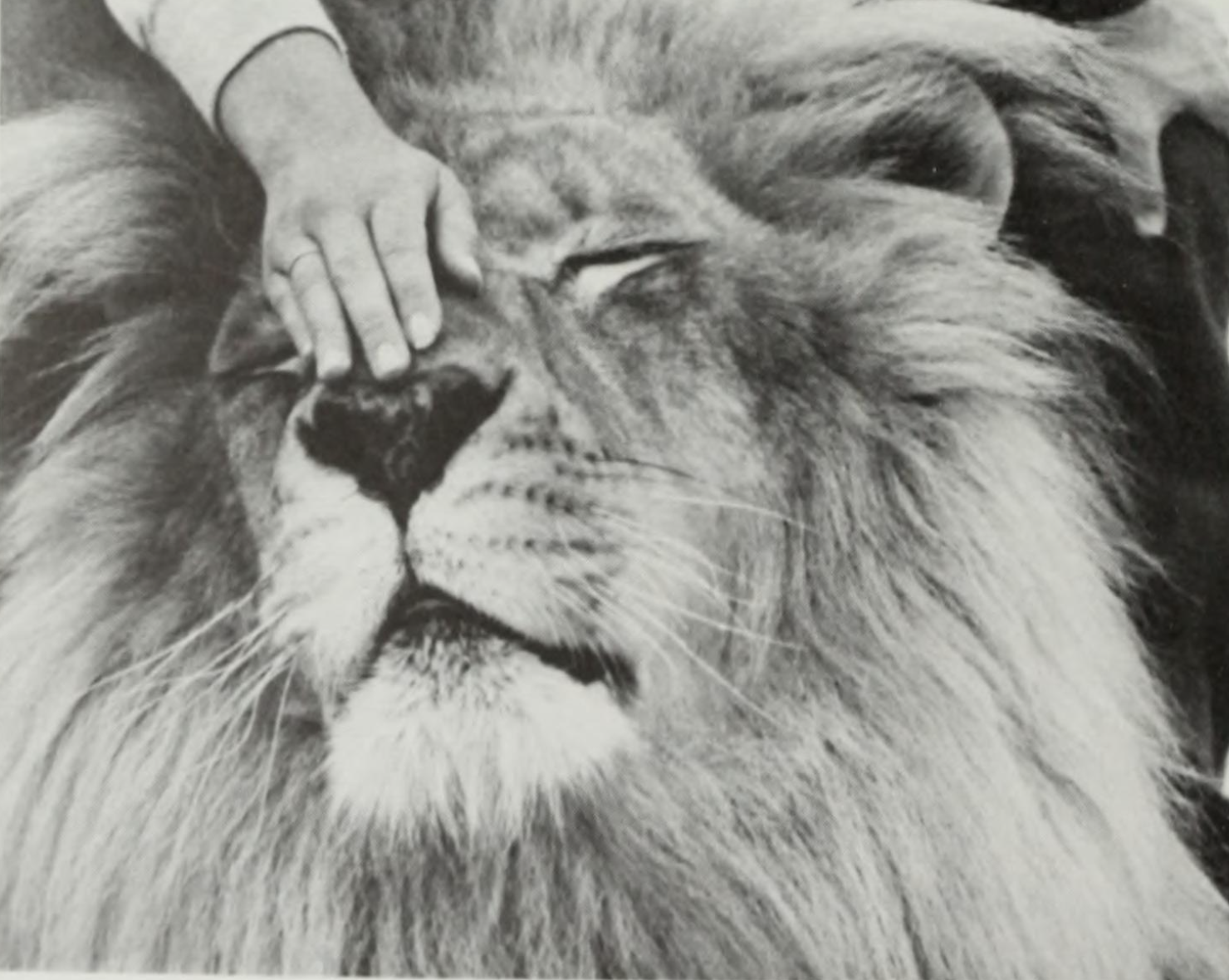
In this space, you will be supported with presence and care. I remain steady and attuned throughout the session and offer grounding tools and therapeutic holding when needed. You will never be left alone in the process.
It is also important to understand that integration takes time. Some individuals feel emotionally raw or uncertain following the experience. Meaning may not arrive immediately. In certain cases, individuals may even feel worse before they begin to feel better.
This is where your broader support network becomes essential. Ongoing integration may be supported through practices we explore together, as well as through the care of trusted professionals such as a therapist or counselor.
Integration is already underway from the moment we begin. Still, at least two dedicated integration sessions are included after the administration session, and additional sessions are encouraged whenever deeper support is needed.
Integration is not a linear process, and it often takes time. Ongoing support is available to help you reflect, process, and apply what has emerged.
Integration

Making Meaning, Applying Insights, and Anchoring the Experience
The integration process begins before the medicine is ever taken—but it comes into fuller focus in the days, weeks, and even months that follow the administration session.
Integration is the process of making meaning from your experience and weaving it into the fabric of your daily life. This may involve insight, but it often requires patience, structure, and support—especially when your experience is nonverbal, emotional, or layered in symbolism.
Together, we’ll explore what is surfacing and what wants to be remembered, released, or embodied.
Integration sessions may include:
𖦹 Verbal reflection and somatic inquiry
𖦹 Journaling prompts or creative processing
𖦹 Lifestyle adjustments or boundary setting
𖦹 Resourcing practices and nervous system regulation
𖦹 Plant essences, breathwork, or frequency therapy (when appropriate)
At least two integration sessions are scheduled following the administration session, with more available as needed. These sessions provide a safe space to metabolize what has emerged, track subtle shifts, and begin to align the insights of the journey with your lived life.

Integration support is collaborative, non-judgmental, and tailored to your unique process. Unlike therapy, which may focus on diagnosis or clinical treatment, this work is oriented toward meaning-making, embodiment, and transformation. My role is not to interpret your experience for you, but to help you explore it with discernment, curiosity, and care. Together, we’ll identify practices, insights, and next steps that feel authentic and actionable—so that the experience doesn’t remain abstract, but becomes something you can live into.
Integration is not about tying things up neatly.
It’s about learning how to stay in relationship with what was revealed.
There is no fixed timeline for integration. What matters is that you remain supported and engaged as the process continues to unfold.
Conclusion
Thank you for taking the time to explore this process with care, curiosity, and presence.
This path is not linear, and it’s not always easy—but it is real, relational, and alive. It asks something of us. And it offers something in return.
Whether you are at the very beginning, already engaged in this work, or returning after time away, I honor the depth of your inquiry. You are not here by accident.
This journey invites us to expand our capacity—to hold paradox and presence, to soften into the unknown, and to remember what’s already within us. It is a return to our true nature. A reconnection to the universal frequency of love.
If you feel called to take the next step—whether that’s submitting your intake form, scheduling a session, or simply reaching out—I welcome you.
From wherever you are, we begin again.
One breath, one moment, step at a time.
May we have the courage to walk our prayer.
With pure heart,
Lindsay
BEGIN HERE
INTEGRATION
QUESTIONS